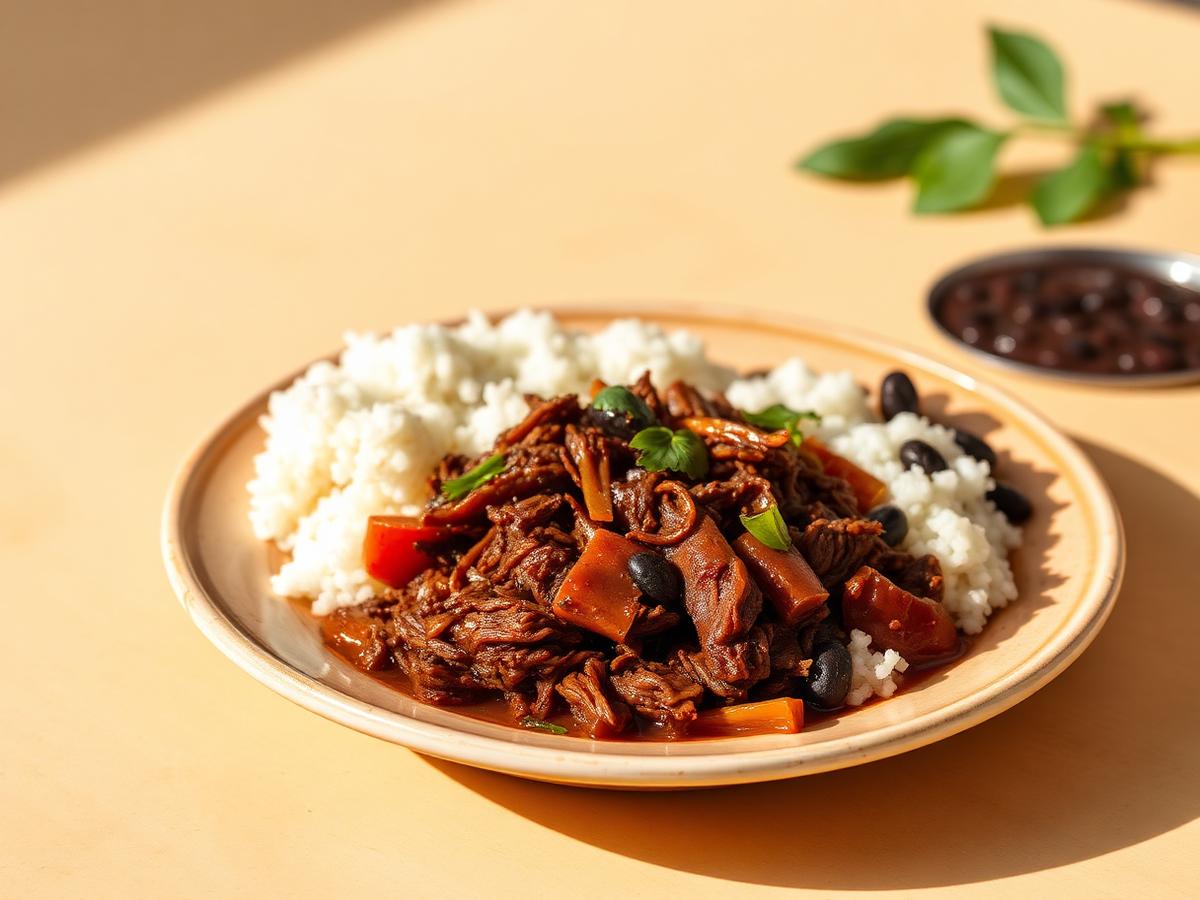
Bananes Pesées
The Haitian cousin of tostones: pressed plantain fried until brittle and salted at once.
- Préparation
- 10 min
- Cuisson
- 15 min
- Total
- 25 min
- Pour
- 4
- Difficulté
- Facile
- Type
- Accompagnement
Ingrédients
- Salted water500 ml
- Oil for frying400 ml
Préparation
- 1
Fry thick plantain rounds until pale.
- 2
Press flat and dip briefly in salted water.
- 3
Fry again until crisp and serve with pikliz.
Nutrition
Valeurs par portion · Calculées
- calories
- 288 kcal
- protéines
- 2 g
- glucides
- 42 g
- lipides
- 13 g
- fibres
- 3 g
- sucres
- 17 g
- sodium
- 380 mg
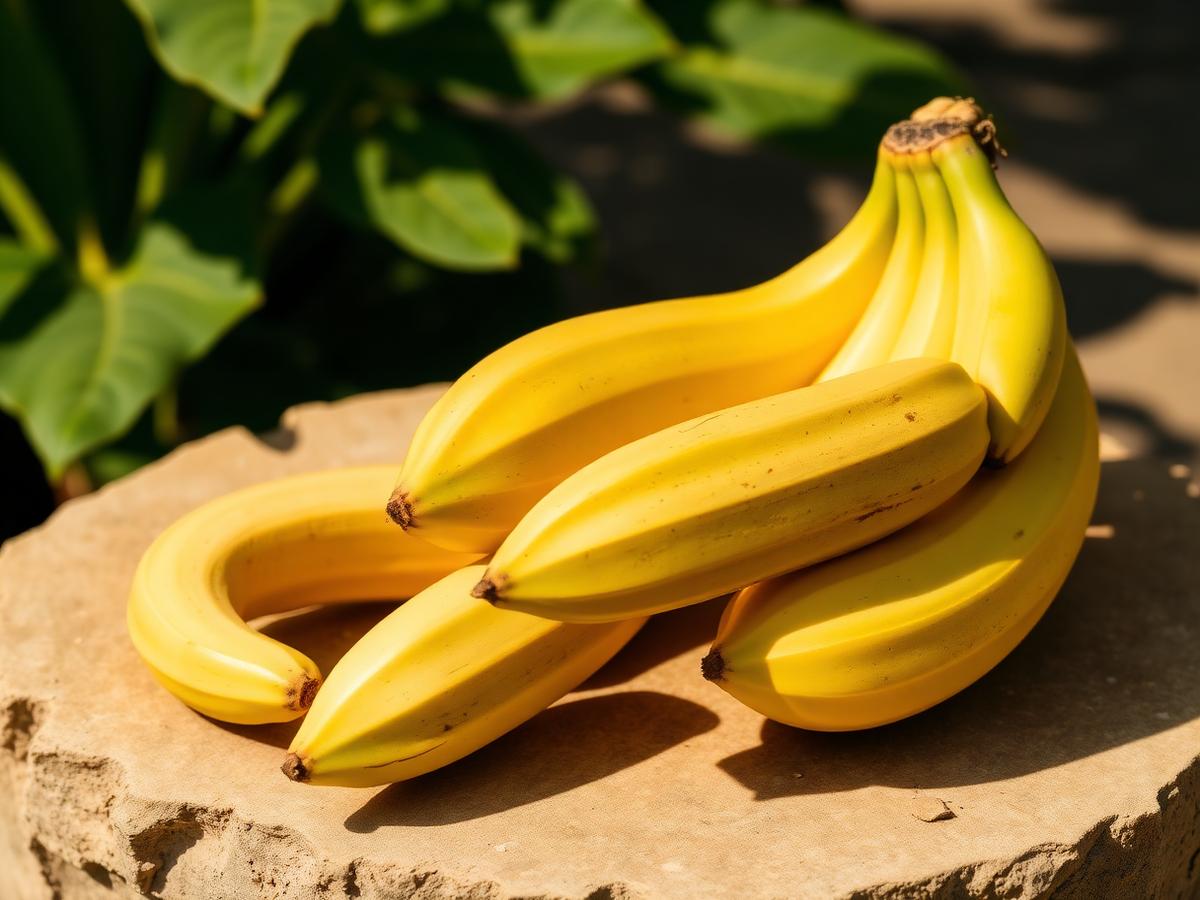
Plantain
Caribbean PantryThe everyday starch of the Caribbean table, changing character entirely with ripeness.
- Origine
- Southeast Asia, naturalised across the Caribbean from the 16th century
- Saveur
- Starchy and grassy when green, honeyed and caramel when ripe
- Calories / 100 g
- 122 kcal
- Saisonnalité
- Year-round
L'histoire de cet ingrédient
Brought to the Antilles through the Atlantic trade routes, the plantain became the region's most democratic food: fried as tostones, boiled in soups, mashed into mofongo or fufu. Its ripeness is a language of its own — green for salt, yellow for sweet.
Cet ingrédient compte pour eux

Ricardo Méndez
Cuba · Criollo cooking and mojo
“Sour orange is the first thing I smell when I think of home.”
Rencontrer le chef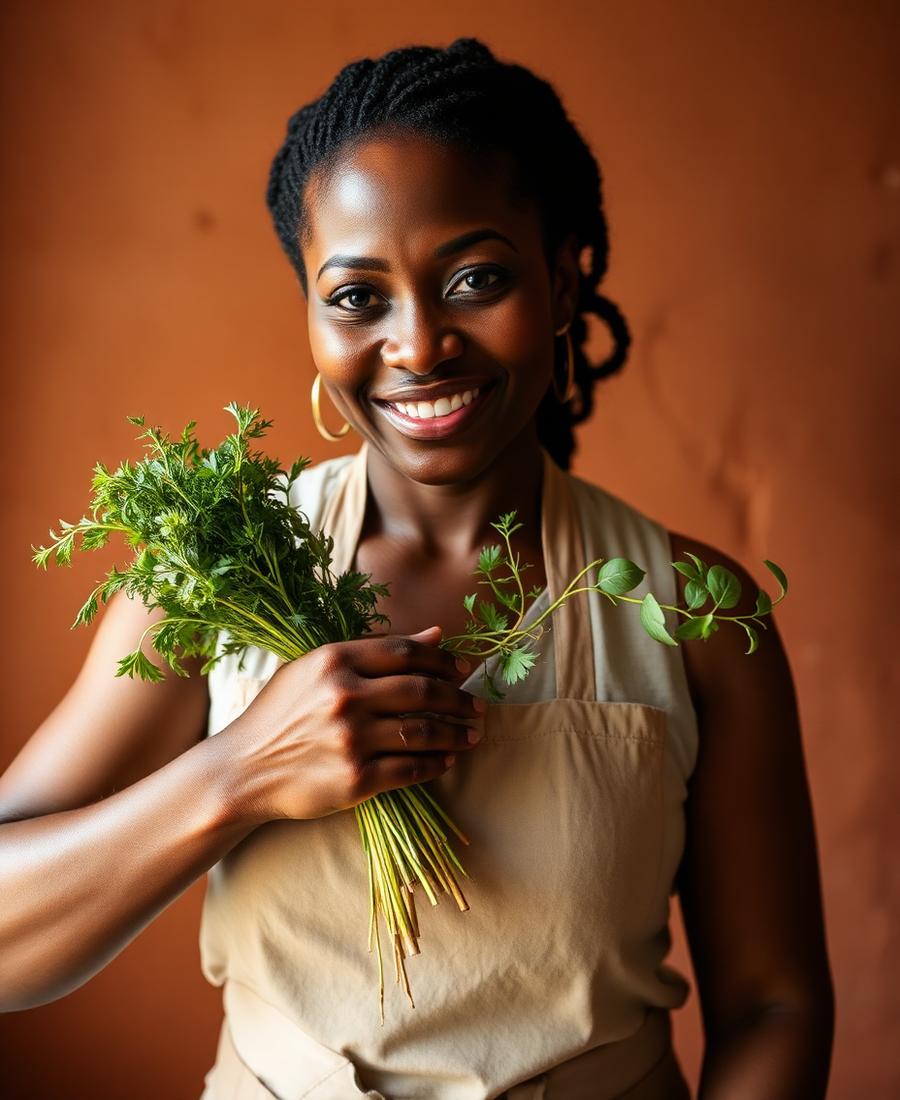
Isabela Rosario
Puerto Rico · Mofongo and sofrito
“A plantain tells you exactly what dish it wants to become.”
Rencontrer le chefEnvie d'aller plus loin ?
Vous avez découvert l'ingrédient. Apprenez maintenant à le maîtriser.
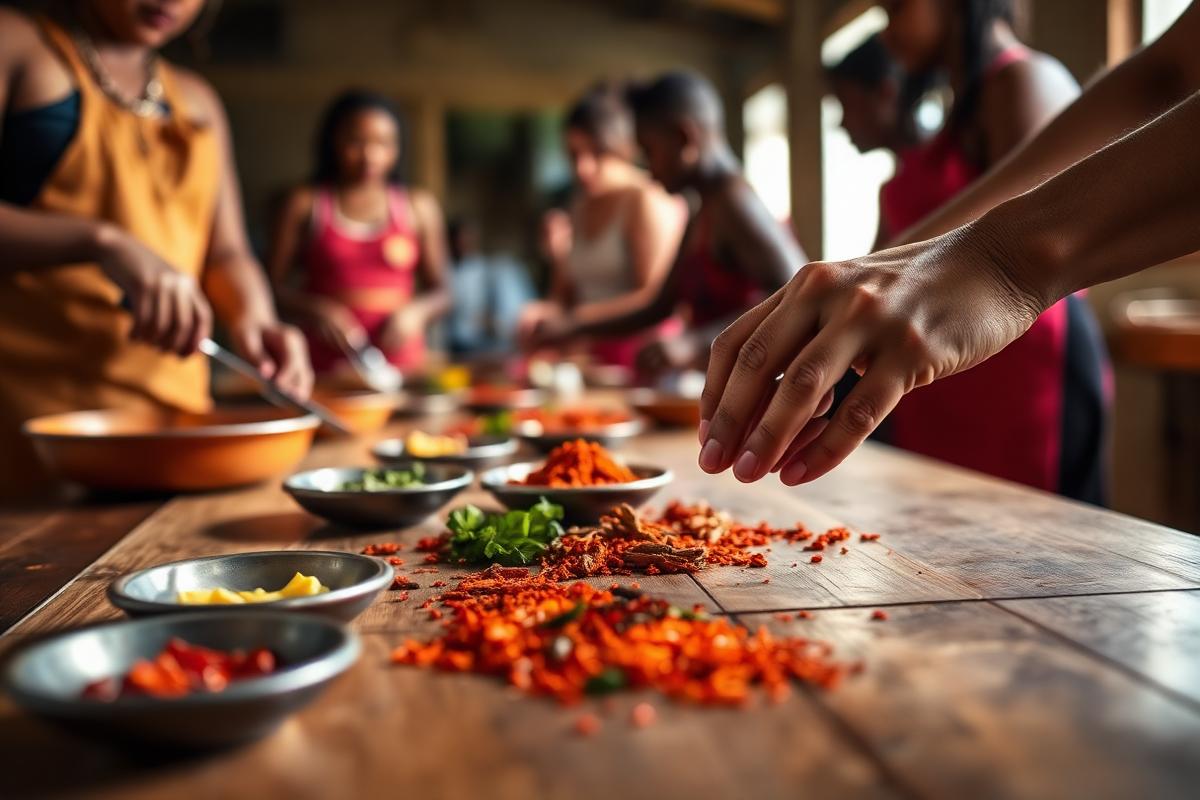
The Plantain Lab
Green to black: six ripeness stages, six techniques, from tostones to mofongo.
- Sun, 11 Oct 2026, 14:00 · 150 min
- San Juan, Puerto Rico · Sur place · $60